The Power of Cross-Training: How Multiple Martial Arts Can Improve Your BJJ
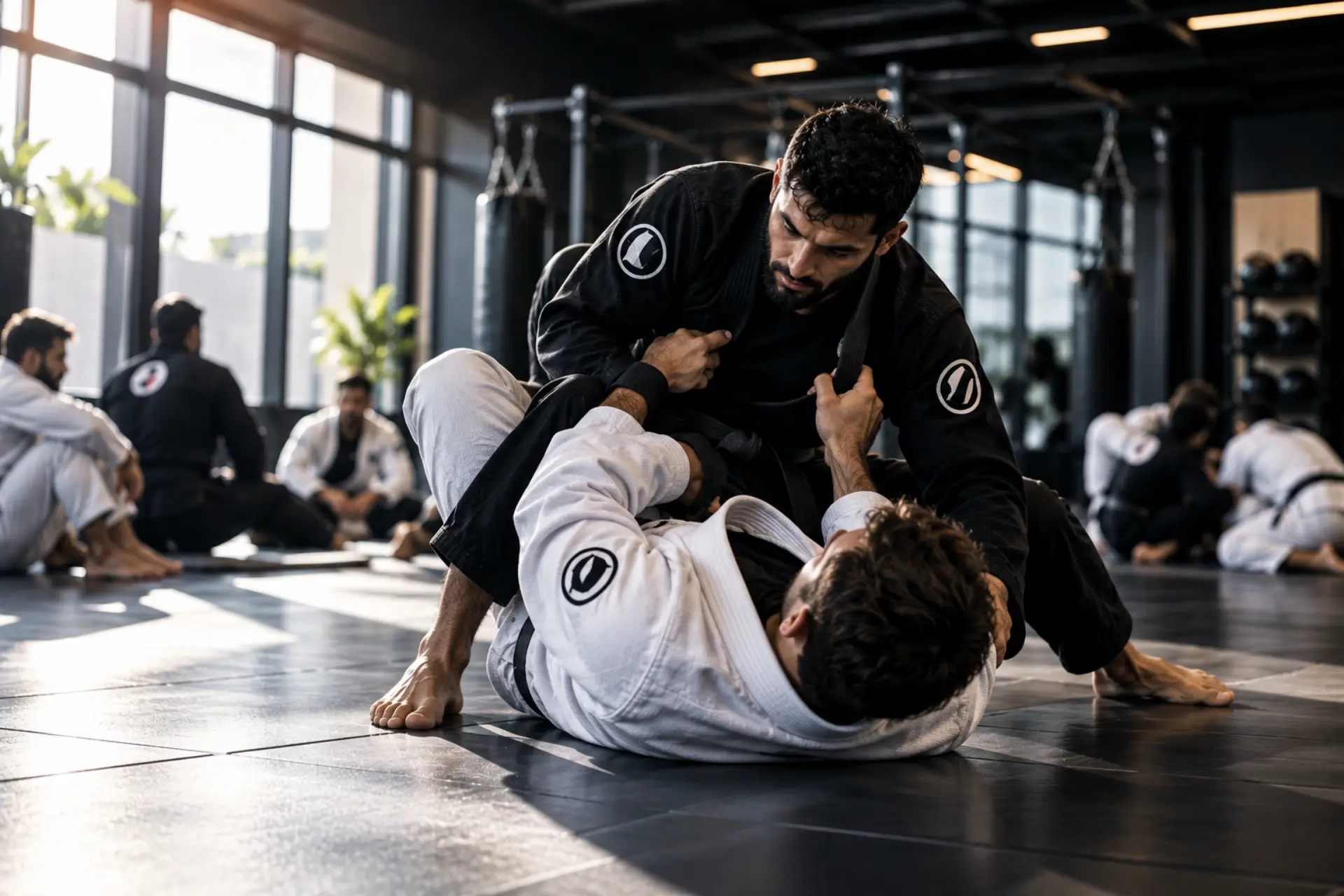
Brazilian Jiu-Jitsu is a highly technical martial art, but becoming a complete grappler often requires developing skills beyond traditional BJJ training. Wrestling, Judo, strength and conditioning, and other combat sports can all introduce valuable movements and concepts that complement Jiu-Jitsu.
At United BJJ Qatar, our coaching experience across multiple martial arts disciplines allows students to develop a broader understanding of movement, control, takedowns, conditioning, and combat strategy.
Why Cross-Training Matters
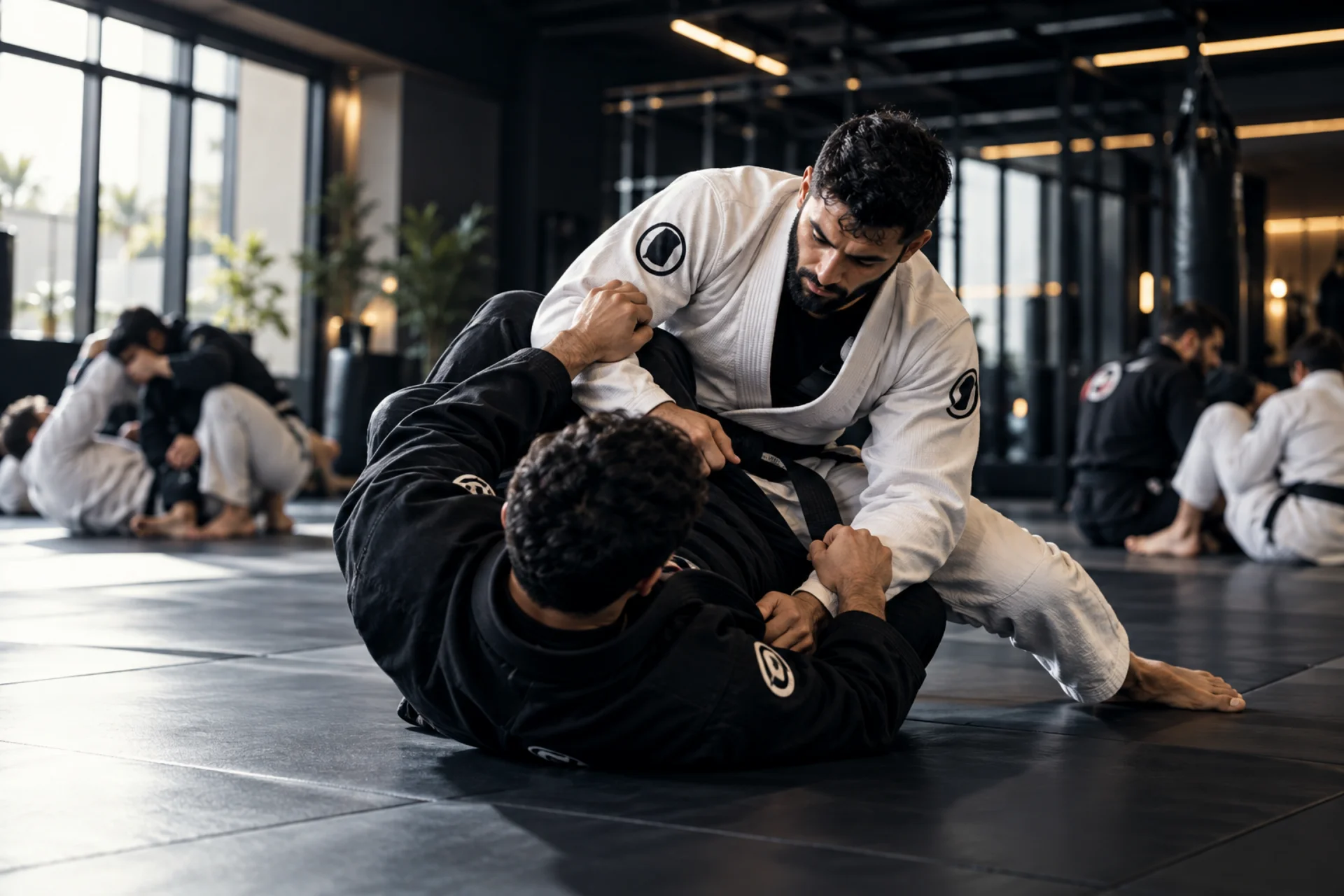
Every martial art has its own strengths. Brazilian Jiu-Jitsu is known for positional control, submissions, escapes, and ground fighting, while other disciplines can strengthen different areas of an athlete’s game.
Cross-training exposes students to new situations and challenges. Instead of relying on one style of movement, practitioners learn how to adapt their techniques to different opponents and scenarios.
For serious competitors, this versatility can become particularly valuable.
Wrestling Can Strengthen Your Takedown Game
Wrestling can be an excellent complement to Brazilian Jiu-Jitsu.
It develops explosive movement, takedown ability, balance, pressure, positional control, and the ability to transition quickly between positions.
A BJJ practitioner with strong wrestling fundamentals may feel more comfortable deciding where a match takes place and maintaining control during transitions.
Wrestling also teaches athletes to continue working through difficult positions instead of becoming stationary.
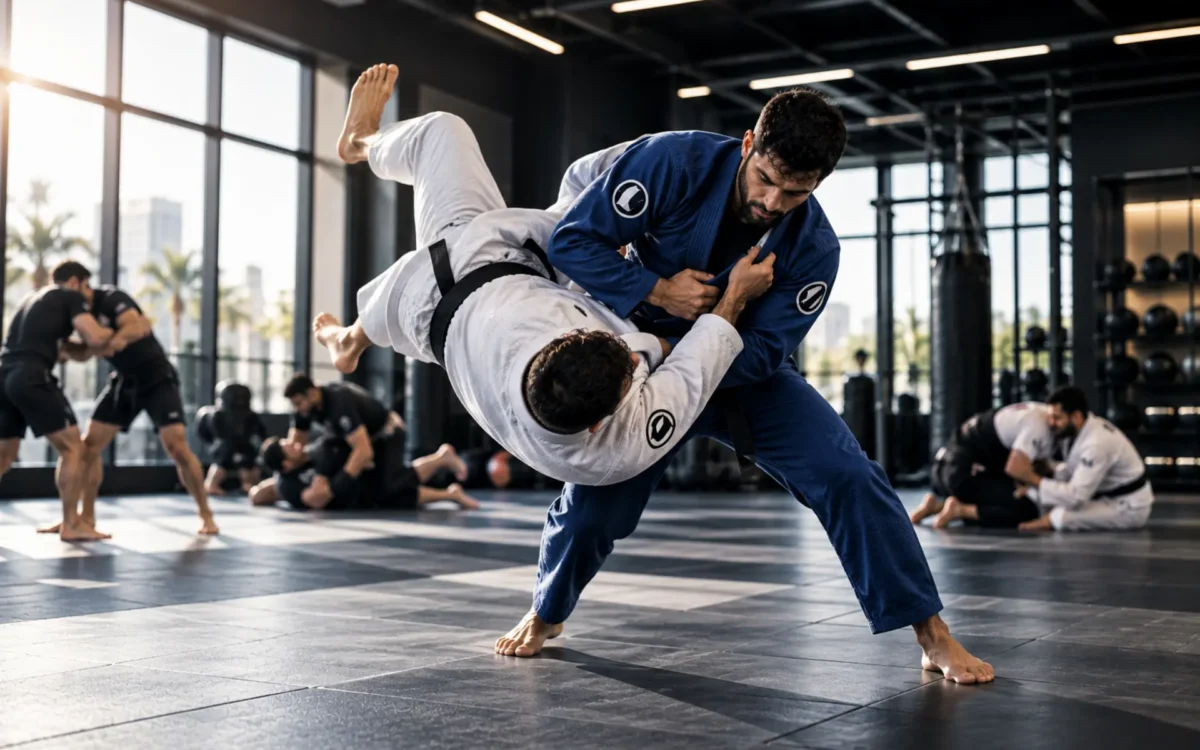
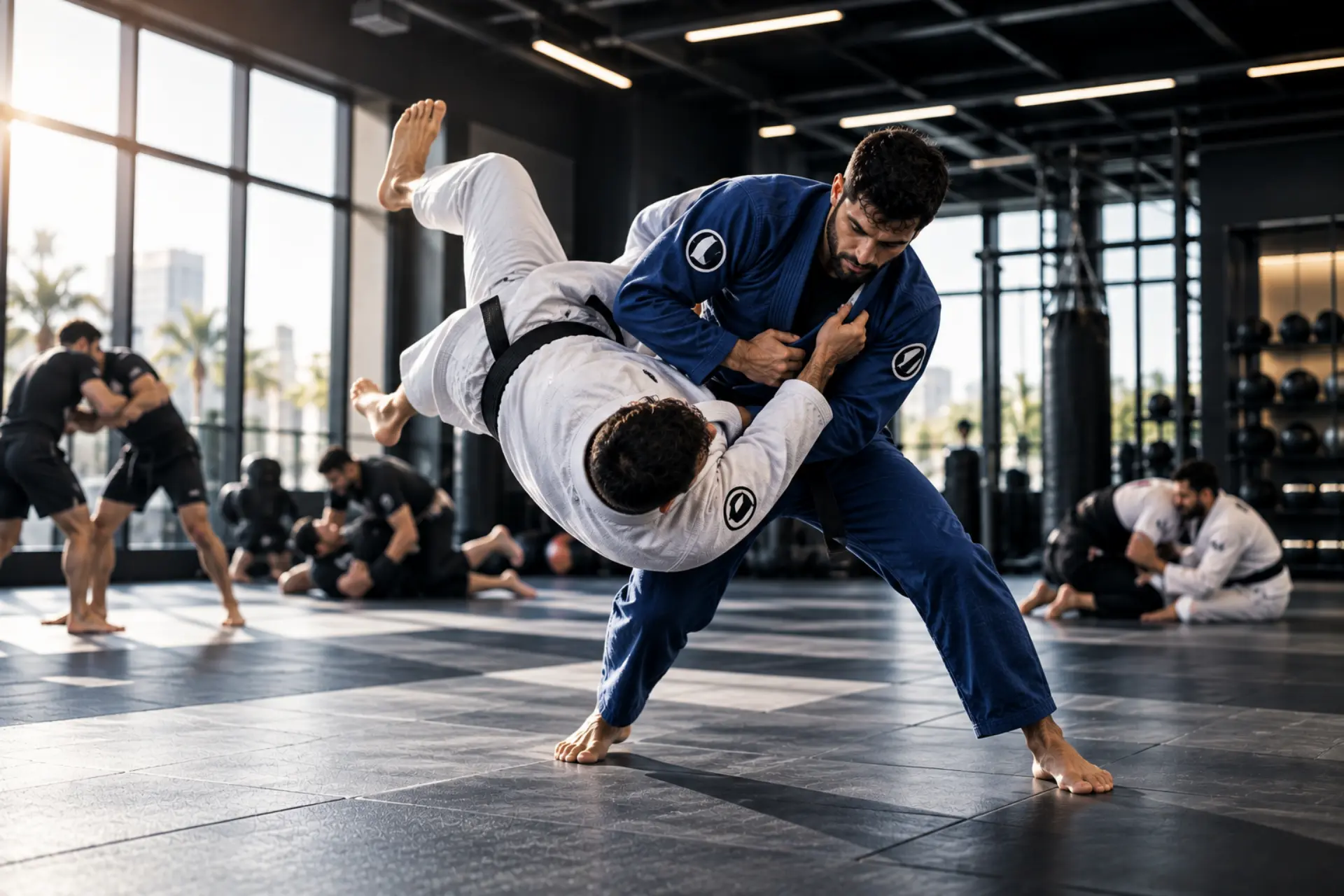
Judo Develops Throws, Balance and Grip Control
Judo can add another important dimension to a BJJ practitioner’s standing game.
Training in Judo helps athletes understand gripping, balance, timing, footwork, body positioning, and throwing mechanics. Learning how to disrupt an opponent’s balance before attacking can make takedowns more efficient.
Many of these concepts transfer naturally into Gi-based Brazilian Jiu-Jitsu.
Strength and Conditioning Support Performance
Technical ability remains central to Jiu-Jitsu, but physical preparation can help athletes perform their techniques more effectively.
A structured strength and conditioning program can help improve endurance, mobility, stability, power, and overall athletic performance.
For competitive athletes, conditioning is particularly important. Maintaining good technique becomes increasingly difficult when fatigue sets in, making physical preparation an important part of competition training.
Learning to Adapt to Different Styles
One of the biggest benefits of cross-training is adaptability.
A wrestler may apply constant pressure. A Judoka may have excellent balance and powerful throws. An experienced BJJ practitioner may be comfortable fighting from the guard. Each style creates different problems that require different solutions.
Training with athletes from varied backgrounds encourages students to think instead of simply repeating familiar techniques.
Over time, this can help create a more versatile grappler.
Building a Complete Martial Artist
Martial arts development is not about collecting as many techniques as possible. It is about understanding how different skills work together.
Takedowns can lead to positional control. Positional control can create submission opportunities. Strength and conditioning can support technical execution, while experience helps athletes decide which technique to use and when.
Combining these elements creates a more complete approach to martial arts training.
Train Across Disciplines at United BJJ Qatar
United BJJ Qatar brings together experience across Brazilian Jiu-Jitsu, Judo, Wrestling, Japanese Jujutsu, Combat Sambo, Boxing, Kickboxing, MMA, and strength and conditioning.
Whether you are beginning your martial arts journey or developing your skills for competition, our goal is to help you become a more technical, confident, and adaptable athlete.
Expand your skills. Challenge your limits. Become a more complete martial artist.